Refer to the main Stotra: Weblink Mālāvatī: Parameśvara or Mahāpuruṣa
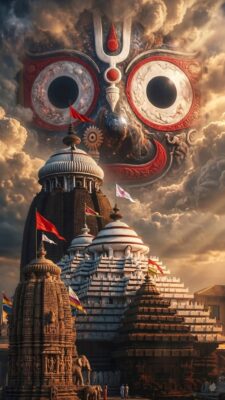
The very first śloka reads
वन्दे तं परमात्मानं सर्वकारणकारणम् ।
विना येन शवाः सर्वे प्राणिनो जगतीतले ॥ ९॥ १
vande taṁ paramātmānaṁ sarvakāraṇakāraṇam |
vinā yena śavāḥ sarve prāṇino jagatītale || 9|| 1
• वन्दे — vande — I bow, I adore
• तम् — tam — that (Supreme Being)
• परमात्मानम् — paramātmānam — the Supreme Self, highest Soul
• सर्व कारण कारणम् — sarva kāraṇa kāraṇam — the cause of all causes
• विना — vinā — without
• येन — yena — by whom, through whose presence
• शवाः — śavāḥ — corpses, lifeless bodies
• सर्वे — sarve — all
• प्राणिनः — prāṇinaḥ — living beings
• जगती तले — jagatī tale — on the surface of the earth, in the world
Translation: I bow to that Supreme Self, the ultimate cause of all causes, by whose presence alone all beings upon the earth are alive, and without whom they are mere corpses.
Ṛṣikā Mālāvatī starts the great teachings bringing out the vairagya necessary to access the spiritual truths. The reference is to god as परमात्मा (paramātmā). We find this as a very important mantra in Dattātreya tantra and other sources.
दत्तात्रेय (dattātreya)
om paraṁbrahma paramātmane namaḥ
Traditional
om namo paramātmane jagannāthāya